


Removing a Stump for New Landscaping Right

Updated: Aug 4
A stump can turn a simple yard upgrade into a frustrating workaround. You might be planning a clean lawn, a stone patio, a new planting bed, or a play area, but that old stump is still taking up the best part of the yard. Removing stump for new landscaping gives you a usable starting point instead of forcing your project to be built around an obstacle.
For most homeowners, stump grinding is the practical answer. It removes the visible stump and grinds it below grade so the area can be restored. The job may look straightforward from the outside, but the right preparation makes a real difference in how well your new landscaping settles, drains, and looks months from now.
Start With the Landscape Plan, Not the Stump
Before scheduling stump work, decide what will take its place. The plan affects how deeply the stump should be ground, how much root material may need to be addressed, and whether the area needs additional soil work afterward.
A new lawn has different needs than a patio. For grass, the ground needs to be graded, filled with good topsoil, and seeded or sodded evenly. For a flower bed, you may have more flexibility, although large roots can still interfere with planting shrubs or perennials. If you are installing a shed, walkway, retaining wall, driveway extension, or patio, tell the stump grinding contractor before the work begins. Those projects often require a firmer, more thoroughly prepared base.
It also helps to consider the size and species of the tree that was removed. Large hardwood stumps can have substantial root systems. Grinding eliminates the stump itself, but roots may remain below ground and slowly break down over time. That is usually no problem for a lawn or mulch bed, but it matters more when you are building a hardscape that needs stable, compacted ground.
Why Stump Grinding Makes Landscaping Easier
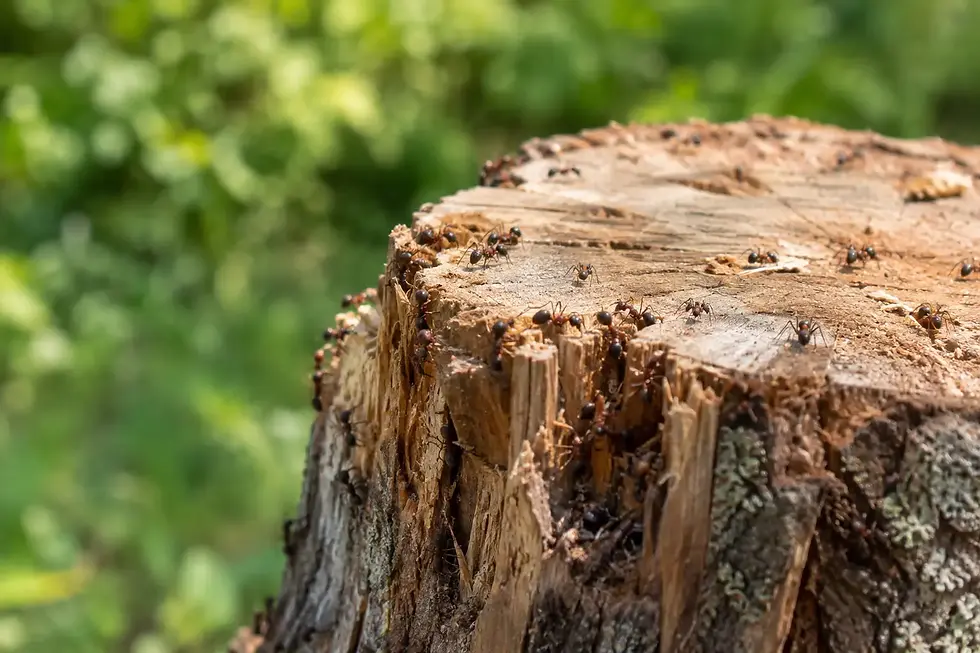
Leaving a stump in place rarely saves trouble. It creates an obstacle for mowing, limits where you can plant, and can make an otherwise finished yard look unfinished. It can also attract insects, encourage fungi as the wood decays, and become a tripping hazard for kids, guests, and anyone walking through the yard after dark.
Grinding the stump below the surface creates room to reshape the area properly. Rather than circling the stump with mulch or trying to hide it behind plants, you can grade the site to match the rest of the yard. That gives your landscaping a more intentional look.
There is also a practical benefit during construction. Landscapers, fence installers, and patio crews need clear access and level ground. Getting the stump handled first prevents delays once another project is already underway. It is usually easier and less expensive to schedule the stump work before materials, plants, stone, or sod are installed around it.
Grinding Versus Digging It Out
Homeowners sometimes assume a stump must be pulled out with a machine to be truly gone. Full excavation can be useful in certain situations, especially where construction requires all major root material to be removed. But it can also tear up a larger section of lawn, disturb nearby landscaping, and leave a sizable hole to repair.
Stump grinding is generally the cleaner choice for residential yards. A specialized grinder reduces the stump to wood chips below the surface while limiting damage to the surrounding area. The exact depth depends on the project, access, and site conditions, but the goal is to leave enough room to restore the surface cleanly.
If you are building directly over the former stump location, be clear about that plan from the start. A contractor can explain what the grinding process can accomplish and where additional excavation or base preparation may be needed. Straight answers upfront are better than finding soft ground after a patio is installed.
Prepare the Area Before the Crew Arrives
A little preparation helps the job move quickly and protects your property. Clear movable items from around the stump, including lawn furniture, pots, toys, hoses, and decorations. If there is a gate or narrow side yard, measure the opening if you are unsure whether equipment can reach the stump. Access is one of the main factors that affects how stump grinding is performed.
Let the crew know about sprinkler heads, landscape lighting wires, invisible pet fences, septic components, drainage lines, and any other features near the work area. These items may not be visible from the surface, and guessing is not a good plan. Underground public utilities should be marked before digging or grinding work begins, following the required notification process.
Keep in mind that a stump grinder creates wood chips. A professional crew can direct and manage the debris, but nearby cars, windows, gardens, and delicate plants should be considered. If the stump sits close to a fence, foundation, deck, or utility box, that does not automatically prevent grinding. It simply calls for the right equipment and careful setup.
What to Do With the Grindings
After a stump is ground, the hole contains a mix of soil and wood chips. This material is useful in some parts of the yard, but it is not always the right fill for the final landscape surface.
For a natural mulch area, some grindings can be spread around established trees or shrubs, as long as they are kept away from plant stems and house siding. They can also be removed if you want a clean slate for a lawn or formal garden bed. The best option depends on your project and how polished you want the finished area to look.
For new grass, remove or reduce the excess wood chips and bring in quality topsoil. Wood chips decompose over time and can settle, which may leave a low spot if they are used as the only fill. Grade the area slightly higher than the surrounding lawn, then allow for normal settling before final seeding or sod installation.
For planting beds, topsoil and compost can be added after the rough material is cleared out. Avoid planting a large tree directly in the old stump location if possible. The remaining roots and decaying wood can complicate the new tree's establishment. Moving the new planting a few feet away often gives it a better start.
Plan for Settling and Drainage
The ground above old roots does not always behave like untouched soil. As buried wood breaks down, small voids can develop and the surface may settle. This is normal, particularly after heavy rain, spring thaw, or the first year following stump work.
Check the area periodically and add soil if a depression appears. This matters most near foundations, patios, and walkways, where water should drain away from the house. A shallow low spot in a lawn is easy to correct. A low spot that channels water toward your basement is a problem worth preventing.
If the stump was in a naturally wet part of the property, use the landscaping project as a chance to improve drainage. The right slope, soil mix, and plant selection can make the space more useful without creating a muddy patch every spring.
When to Schedule Stump Removal
The best time is usually before the rest of the landscaping begins. In Southern New Hampshire, homeowners often plan yard upgrades around spring and summer, which can make scheduling tight once the season gets moving. Getting a free estimate early lets you coordinate stump work with your landscaper, fence company, or hardscape installer.
Do not wait until new sod, fresh mulch, or expensive stone is already in place. Grinding around finished landscaping can still be possible, but it adds unnecessary risk and limits access. Handle the stump first, restore the grade, and then build the yard you actually want.
A well-finished landscape should not have a leftover stump hiding in the middle of it. Whether you are reclaiming a small corner of the lawn or making room for a major backyard project, Level Ground Stump Grinding can help clear the way so the final result looks like the stump was never there.


Comments