


What Is Stump Grinding vs Stump Removal?
Updated: Aug 4
If you’ve got an old stump sitting in the yard, the question usually isn’t whether it should go. It’s what is stump grinding vs stump removal, and which one actually makes sense for your property. That matters if you’re tired of mowing around it, worried about tripping hazards, or just want your yard to look finished again.
A lot of homeowners use the two terms like they mean the same thing. They don’t. Both deal with the remains of a tree, but they do it in very different ways, with different costs, cleanup, and results. If you’re planning grass, a patio, a fence, or just want the eyesore gone, choosing the right method can save you time and frustration.
What is stump grinding vs stump removal?
Stump grinding means using a specialized machine to grind the stump down below ground level. The visible stump is chewed into small wood chips, and the root system is mostly left in the ground to break down naturally over time.
Stump removal is more aggressive. Instead of grinding the stump down, the entire stump gets pulled out along with the major root ball. That leaves a much larger hole and usually requires more repair work afterward.
That’s the core difference. Grinding removes what you see and restores usable surface space. Removal takes out the whole base of the tree, roots and all, which is sometimes necessary but often more disruptive than most homeowners expect.
Why stump grinding is usually the better fit for homeowners
For most residential yards, stump grinding is the practical choice. It’s faster, cleaner, and usually more affordable than full stump removal. It also causes less disturbance to the surrounding lawn, nearby trees, garden beds, fences, and hardscaping.
If your main goal is to get rid of the visible stump so you can reclaim the space, grinding usually does the job well. Once the stump is ground below grade, the area can be covered with soil and seed, or prepared for other simple landscape use.
That’s why stump grinding is so common in established neighborhoods. Homeowners usually want the stump gone without turning the yard into an excavation project.
When full stump removal makes sense
There are cases where stump removal is the right call. If you’re doing major construction in that exact spot, such as installing a foundation addition, digging for utilities, or building a structure that requires totally clear subsurface space, full removal may be necessary.
It can also make sense when a large root flare is creating problems above ground, or when a stump is in a very specific location where leftover roots will interfere with planned excavation. Even then, it depends on how deep the future project goes and how exact the site needs to be.
For a simple lawn restoration or general yard cleanup, full stump removal is often more than you need.
Cost, labor, and mess: the real trade-offs
This is where the difference becomes very real.
Stump grinding is typically less expensive because it takes less labor, less site disruption, and less restoration work after the stump is gone. The machine grinds the stump in place, and while there’s still cleanup involved, the area usually stays relatively contained.
Stump removal tends to cost more because it’s a heavier job. Pulling out a stump and root ball can involve digging, force, larger equipment, and more hauling. Once it’s done, you’re left with a sizable hole that needs to be filled and graded properly.
That hole is one of the biggest surprises for homeowners. People picture the stump disappearing and a flat yard underneath. In reality, when a full stump is removed, the void left behind can be much larger than the stump itself.
What happens to the roots?
One of the biggest concerns homeowners have is the roots left behind after grinding. That concern is understandable, but in most cases, those roots are not a problem.
With stump grinding, the major visible stump is eliminated, but the deeper roots remain underground and gradually decay. They do not keep growing the way many people assume. Once the tree is gone and the stump is ground out, the root system no longer has what it needs to keep developing normally.
There are exceptions. Some tree species can send up shoots from remaining roots or from the stump area if not ground thoroughly. That’s something a stump specialist can usually identify based on the type of tree and the condition of the stump.
With full stump removal, the main root ball comes out, but even then, smaller roots can still remain in the soil beyond the excavation area. So removal does not always mean every root is completely gone. It means the main stump and structural roots are physically extracted.
Which option is better for replanting, grass, and landscaping?
If you want to plant grass over the area, stump grinding is usually enough. After grinding, the wood chips can be managed properly, fresh soil can be added, and the area can be seeded or sodded.
If you want to plant a new tree in the exact same spot, the answer gets more specific. Grinding may still work, but many homeowners choose to plant slightly off-center from the old stump location because the remaining roots and wood debris can make that exact spot less ideal for a new tree.
If you’re installing something that needs fully clear ground below the surface, like certain footings or excavation-based improvements, stump removal may be the better fit. For general landscaping, grading, and lawn improvement, grinding is usually the less disruptive option.
What is stump grinding vs stump removal for cleanup?
Cleanup is another area where the two methods feel very different.
After stump grinding, you usually have a pile of wood chips and grindings mixed with soil. Those materials can often be left for use as fill, removed, or handled based on the homeowner’s preference and the project plan. The area still needs finishing work, but it’s usually manageable.
After stump removal, cleanup is broader. There may be loose dirt, a deeper excavated section, larger debris, and a bigger restoration job to get the yard back into shape. If your lawn is already tight on space or bordered by landscaping, fences, or neighboring property lines, that extra disruption can matter.
This is one reason many homeowners prefer a specialist focused on stump work. The right equipment and a clean finish make a big difference in how the yard looks when the job is done.
Safety and property impact
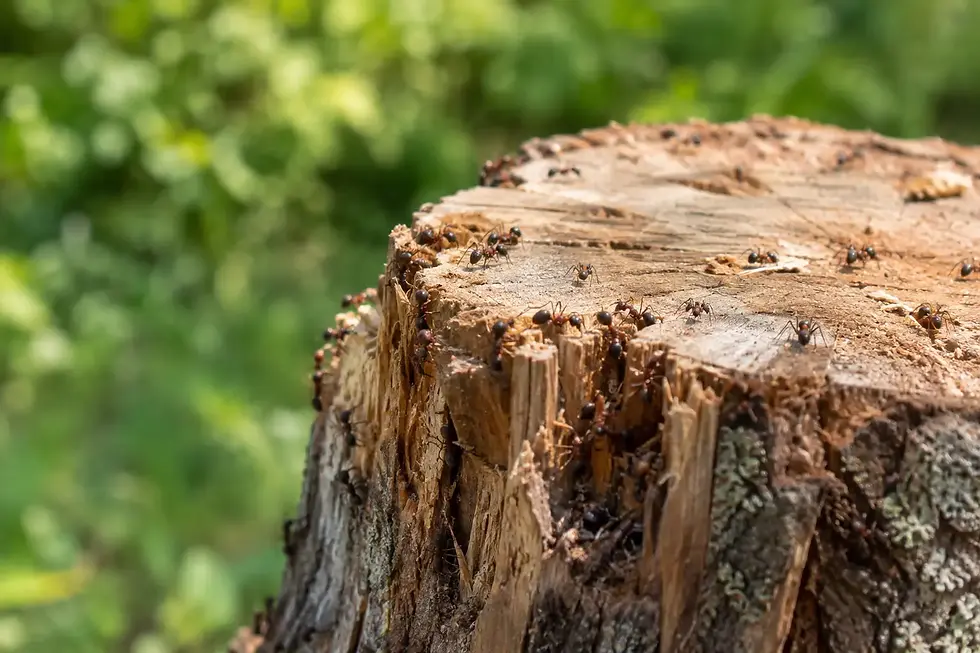
A stump in the yard is more than an eyesore. It can be a tripping hazard, a mower obstacle, and a spot that collects weeds, insects, or decay. Getting rid of it improves both appearance and function.
But the removal method also affects the surrounding property. Grinding is usually gentler on lawns and nearby features because it targets the stump directly. Full removal can disturb more soil and create a wider work zone.
That doesn’t mean removal is bad. It just means it should be used when there’s a clear reason for it.
Before any stump work starts, utility safety matters too. If there are underground lines in the area, the site needs to be handled properly. A professional service will account for that instead of guessing and hoping for the best.
How to decide what’s right for your yard
The easiest way to make the right call is to start with your end goal.
If you want the stump gone, the yard looking clean again, and the area usable for grass or simple landscaping, grinding is usually the best answer. It’s efficient, cost-conscious, and delivers the result most homeowners actually want.
If you need to excavate deeply in that exact location or clear out the root mass for construction, removal may be worth the extra cost and disruption.
That’s why a straight answer matters more than a sales pitch. Not every stump needs full extraction, and not every yard benefits from the most aggressive option. Most of the time, the best result comes from matching the method to the project instead of assuming bigger work is better work.
For homeowners who just want the stump gone without turning the whole yard upside down, stump grinding is usually the clear winner. At Level Ground Stump Grinding, that’s why the focus stays simple: get rid of the stump, clean up properly, and leave the space looking like it belongs in your yard again. We grind ’em til you can’t find ’em.
If you’re staring at a stump and debating your next step, think less about the terminology and more about the outcome you want. The right choice is the one that gives you a safer, cleaner, more usable yard without creating a bigger project than you asked for.


Comments